
- Afrikaans
- Albanian
- Amharic
- Arabic
- Armenian
- Azerbaijani
- Basque
- Belarusian
- Bengali
- Bosnian
- Bulgarian
- Catalan
- Cebuano
- Corsican
- Croatian
- Czech
- Danish
- Dutch
- anglisy
- Esperanto
- Estonian
- Finnish
- French
- Frisian
- Galician
- Georgian
- German
- Greek
- Gujarati
- Haitian Creole
- hausa
- hawaiian
- Hebrew
- Hindi
- Miao
- Hungarian
- Icelandic
- igbo
- Indonesian
- irish
- Italian
- Japanese
- Javanese
- Kannada
- kazakh
- Khmer
- Rwandese
- Korean
- Kurdish
- Kyrgyz
- Lao
- Latin
- Latvian
- Lithuanian
- Luxembourgish
- Macedonian
- Malgashi
- Malay
- Malayalam
- Maltese
- Maori
- Marathi
- Mongolian
- Myanmar
- Nepali
- Norwegian
- Norwegian
- Occitan
- Pashto
- Persian
- Polish
- Portuguese
- Punjabi
- Romanian
- Russian
- Samoan
- Scottish Gaelic
- Serbian
- Sesotho
- Shona
- Sindhi
- Sinhala
- Slovak
- Slovenian
- Somali
- Spanish
- Sundanese
- Swahili
- Swedish
- Tagalog
- Tajik
- Tamil
- Tatar
- Telugu
- Thai
- Turkish
- Turkmen
- Ukrainian
- Urdu
- Uighur
- Uzbek
- Vietnamese
- Welsh
- Bantu
- Yiddish
- Yoruba
- Zulu

Sep . 08, 2025 11:02 Hiverina any amin'ny lisitra
Trends in Eco-Friendly Pet Garment Dog Coats
The pet apparel industry is undergoing a green revolution, with Pet Garment Dog Vests, Pet Garment Dog Coats, and Pet Garment Dog Jackets leading the charge. As eco-conscious consumers drive demand for sustainable products, wholesalers must adapt to stay competitive. This article explores cutting-edge trends in eco-friendly materials, production innovations, and wholesale strategies for Pet Garment Dog Coats and related apparel, ensuring businesses meet market expectations while prioritizing planetary health.Moreover, wholesale strategies have evolved to incorporate sustainability as a core value. Wholesalers are now partnering with brands that prioritize ethical sourcing and fair trade practices. This approach not only aligns with consumer expectations but also builds brand loyalty and enhances reputation in the competitive market. By staying informed about the latest trends and innovations, wholesalers can effectively navigate the green revolution in the pet apparel industry.
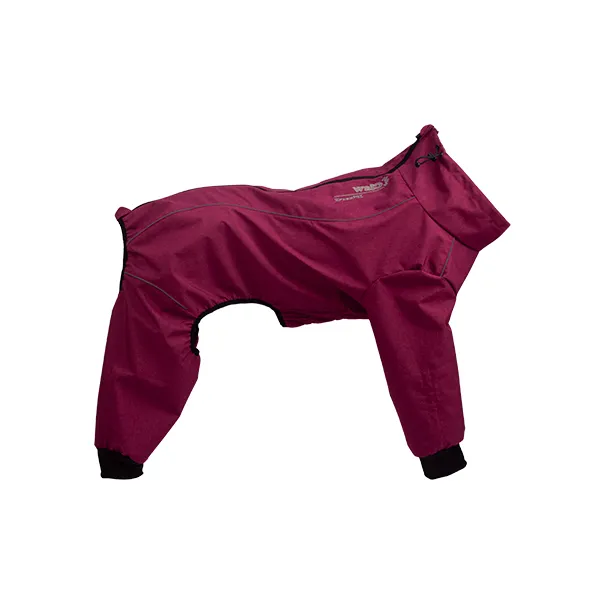
Sustainable Materials Revolutionizing Pet Garment Dog Vests
Modern Pet Garment Dog Vests are increasingly crafted from renewable and recycled materials. Key innovations include:
Recycled polyester: Made from post-consumer plastic bottles, this fabric reduces waste while offering durability.
Organic cotton: Grown without synthetic pesticides, it’s ideal for hypoallergenic Pet Garment Dog Vests that cater to sensitive pets.
Hemp blends: Lightweight, antimicrobial, and biodegradable, hemp is gaining traction for its low environmental impact.
For wholesalers, bulk sourcing of these materials lowers costs compared to conventional textiles. Certifications ensure credibility, appealing to eco-focused retailers.
Eco-Conscious Production Techniques for Pet Garment Dog Coats
Manufacturing Pet Garment Dog Coats sustainably involves:
Waterless dyeing: Digital printing technology reduces water usage by up compared to traditional methods.
Solar-powered factories: Renewable energy cuts carbon footprints in bulk production of Pet Garment Dog Coats.
Zero-waste patterns: Laser-cutting techniques minimize fabric waste during large-scale cutting.
Wholesale suppliers can leverage these processes to market their Pet Garment Dog Coats as both high-quality and environmentally responsible, justifying premium pricing.
Renewable Resources in Pet Garment Dog Jackets
Pet Garment Dog Jackets now incorporate groundbreaking renewable materials:
Bamboo fiber: Naturally moisture-wicking and antibacterial, bamboo is ideal for insulating winter jackets.
Recycled down: Repurposed from post-industrial waste, it offers warmth without ethical concerns.
Cork accents: Sustainable cork replaces plastic in buckles and trim, adding a unique aesthetic.
Wholesalers should partner with suppliers using blockchain traceability to verify material origins, a key selling point for bulk buyers.
Wholesale Strategies for Scaling Eco-Friendly Pet Garment Dog Vest
To succeed in the green market, wholesalers must:
Bulk-buy certified fabrics: Secure materials at scale to reduce per-unit costs.
Offer modular designs: Create Pet Garment Dog Vests, Coats, and Jackets with interchangeable components to appeal to diverse climates.
Highlight certifications: Emphasize compliance with environmental management in marketing materials.
FAQ: Navigating Eco-Friendly Trends in Pet Garment Dog Vest
Are eco-friendly Pet Garment Dog Vests as durable as traditional ones?
Yes. Materials like recycled polyester and hemp rival conventional fabrics in strength. Reinforced stitching in Pet Garment Dog Vests further enhances longevity.
How do waterless dyeing techniques impact the cost of Pet Garment Dog Coats?
Initially, setup costs are higher, but bulk production reduces long-term expenses by saving water and energy, making Pet Garment Dog Coats competitively priced.
Can bamboo-based Pet Garment Dog Jackets withstand heavy rain?
When treated with natural wax coatings, bamboo Pet Garment Dog Jackets become water-resistant. Pair with sealed seams for full weatherproofing.
What certifications should wholesalers prioritize for eco-friendly pet garments?
Certification for sustainable manufacturing processes across Pet Garment Dog Coats, Vests, and Jackets.
Do bulk orders of sustainable pet garment dog vest have higher MOQs?
Not necessarily. Many suppliers offer flexible as low as 500 units for Pet Garment Dog Vests and Jackets to accommodate small-to-mid-sized wholesalers.
The shift toward eco-friendly Pet Garment Dog Vests, Coats, and Jackets is more than a trend—it’s a market imperative. By adopting sustainable materials, streamlining green production, and educating retail partners, wholesalers can future-proof their businesses. As consumer demand for transparency grows, suppliers that prioritize planetary health will dominate the booming pet apparel sector.
Moreover, the transition to eco-friendly pet garments fosters innovation and creativity in design. Manufacturers are increasingly exploring new, sustainable fabrics that not only minimize environmental impact but also offer enhanced comfort and functionality for pets. This focus on quality and sustainability can differentiate brands in a crowded market, attracting discerning pet owners who are eager to support businesses that align with their values. Additionally, by prioritizing eco-friendly practices, wholesalers can enhance their corporate social responsibility profile, appealing to a broader range of stakeholders and potentially securing new business opportunities.For instance, adopting a circular economy approach where waste materials from production processes are reused or recycled can significantly reduce the carbon footprint and waste generation associated with the manufacturing of pet fabrics. Furthermore, engaging in community projects or supporting environmental charities can demonstrate a commitment to societal well-being, fostering a positive brand image and reputation.
-
Prioritize Pet Safety with a Reflective Dog Harness Vest
NEWSFeb.24,2026
-
Essential Safety Gear Reflective Puppy Harness for Nighttime Walks
NEWSFeb.11,2026
-
Enhance Dog Safety with Outdoor Clothes Safety Gear Reflective Dog Harnesses
NEWSJan.30,2026
-
Pet Apparel Safety Reflective Puppy Harness A Comprehensive Guide To Visibility
NEWSJan.27,2026
-
Pet Apparel Safety Reflective Dog Harness for Businesses – Durable & High-Visibility Solutions
NEWSJan.05,2026
-
Reflective Puppy Harness for Pet Safety – Durable & Comfortable Design
NEWSDec.11,2025
 English
 Afrikaans
 Albanian
 Amharic
 Arabic
 Armenian
 Azerbaijani
 Basque
 Belarusian
 Bengali
 Bosnian
 Bulgarian
 Catalan
 Cebuano
 Corsican
 Croatian
 Czech
Czech
 Danish
 Dutch
Dutch
 Esperanto
 Estonian
 Finnish
 French
 Frisian
 Galician
 Georgian
 German
 Greek
Greek
 Gujarati
 Haitian Creole
 Hausa
Hausa
 Hawaiian
 Hebrew
 Hindi
Hindi
 Miao
Miao
 Hungarian
 Icelandic
 Igbo
Igbo
 Indonesian
 Irish
Irish
 Italian
 Japanese
 Javanese
 Kannada
 Kazakh
 Khmer
Khmer
 Rwandese
 Korean
 Kurdish
 Kyrgyz
 Lao
Lao
 Latin
Latin
 Latvian
 Lithuanian
 Luxembourgish
 Macedonian
 Malay
Malay
 Malayalam
 Maltese
 Maori
Maori
 Marathi
 Mongolian
 Myanmar
 Nepali
 Norwegian
 Norwegian
 Occitan
 Pashto
 Persian
 Polish
 Portuguese
 Punjabi
 Romanian
 Russian
 Samoan
 Scottish Gaelic
 Serbian
 Sesotho
 Shona
Shona
 Sindhi
 Sinhala
 Slovak
 Slovenian
 Somali
 Spanish
 Sundanese
 Swahili
 Swedish
 Tagalog
 Tajik
Tajik
 Tamil
Tamil
 Tatar
Tatar
 Telugu
 Thai
Thai
 Turkish
 Turkmen
 Ukrainian
 Urdu
Urdu
 Uighur
 Uzbek
Uzbek
 Vietnamese
 Welsh
Welsh
 Bantu
Bantu
 Yiddish
 Yoruba
 Zulu
Zulu
 Malgashi