

Sep . 19, 2025 10:20 Back to list
Wholesale Trainer Winter Jacket for Girl Suppliers - Factory Direct
Strategic Sourcing for High-Performance Winter Athletic Wear
In the highly competitive market of performance athletic wear, the selection of reliable trainer winter jacket for girl suppliers is paramount for brands seeking to deliver quality, durability, and functional design. The demand for specialized cold-weather gear for young athletes continues to surge, driven by year-round training regimens and an increasing focus on outdoor sports participation. This necessitates a robust supply chain capable of delivering innovative materials, advanced manufacturing techniques, and adherence to stringent quality controls. Understanding the intricacies of manufacturing, technical specifications, and vendor capabilities is crucial for B2B decision-makers.
The global market for athletic apparel is projected to reach over $200 billion by 2026, with a significant segment dedicated to specialized performance wear. Within this, the niche for youth training gear, particularly for cold weather, is experiencing accelerated growth. Factors such as evolving fabric technologies, sustainable manufacturing practices, and personalized design options are shaping industry trends. Leading trainer winter jacket for girl suppliers are continually innovating to meet these demands, offering solutions that balance thermal efficiency, breathability, flexibility, and aesthetic appeal. The integration of smart textiles and enhanced ergonomic designs are also becoming standard expectations in this sector.
Technical Specifications: Engineering Optimal Winter Protection
The effectiveness of a trainer winter jacket hinges on a sophisticated blend of material science and design engineering. Key technical specifications include:
- Insulation Type and Weight: Synthetic insulations (e.g., PrimaLoft, Thinsulate, polyester fills) are preferred over down for their performance in damp conditions, maintaining thermal properties even when wet. Weight (grams per square meter, GSM) directly impacts warmth-to-weight ratio.
- Outer Shell Fabric: Typically waterproof or water-resistant (Durable Water Repellent – DWR finish), often a laminated 2-layer or 3-layer fabric with a PU or PTFE membrane. Fabric composition frequently includes nylon or polyester for durability.
- Waterproof and Breathability Ratings: Measured in millimeters (mm) for water column resistance and grams per square meter per 24 hours (g/m²/24h) for moisture vapor transmission rate (MVTR). High-performance jackets aim for 10,000mm+ and 10,000g/m²/24h+.
- Wind Resistance: Often integrated into the shell fabric's weave or membrane, crucial for maintaining core body temperature.
- Durability: Abrasion resistance, tear strength, and colorfastness are critical, especially for active wear. Denier count for face fabrics provides an indication of robustness.
- Ergonomic Design: Articulated sleeves, adjustable cuffs, and hems, YKK zippers, and strategically placed pockets for optimal fit and function during movement.
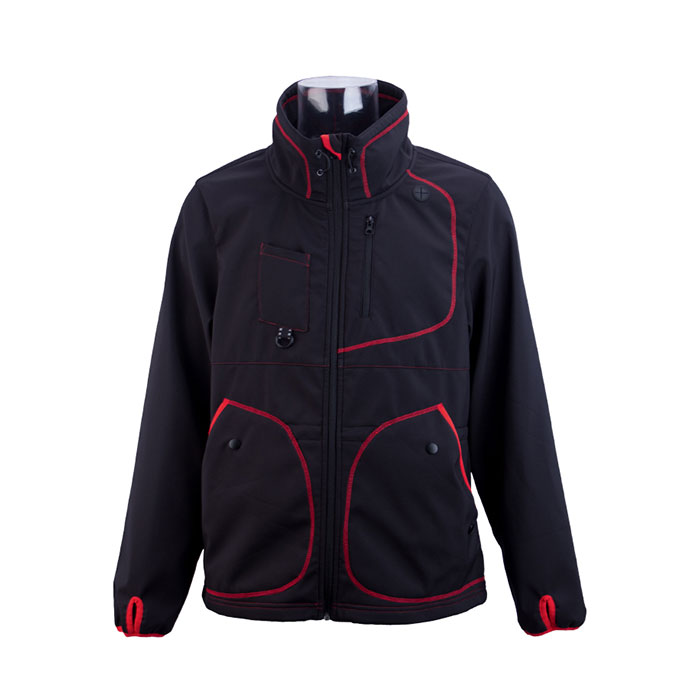
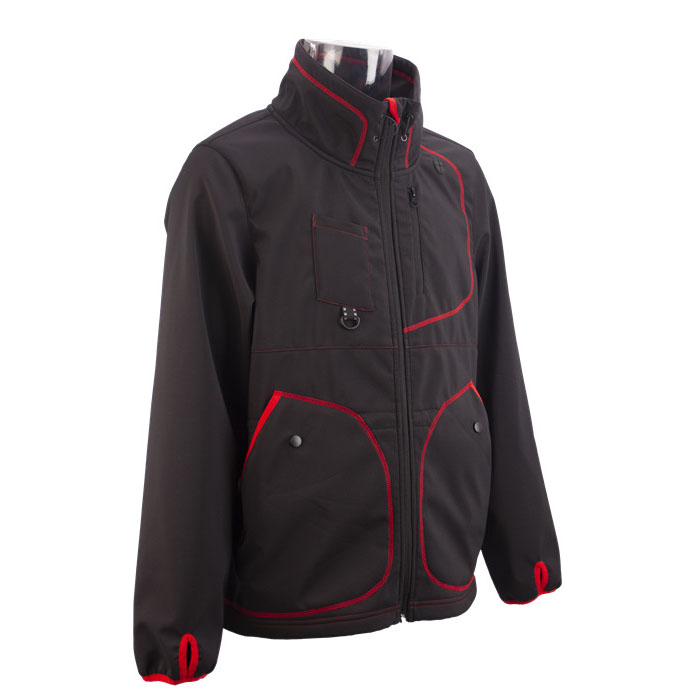
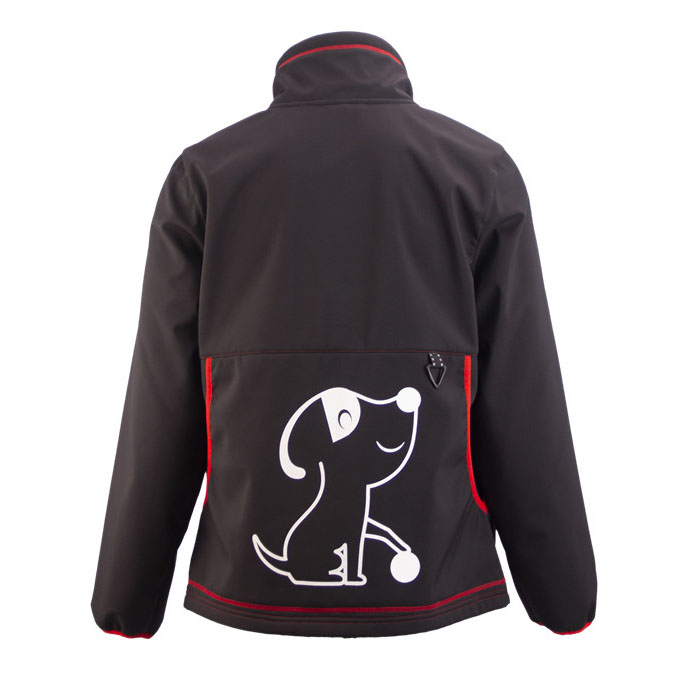
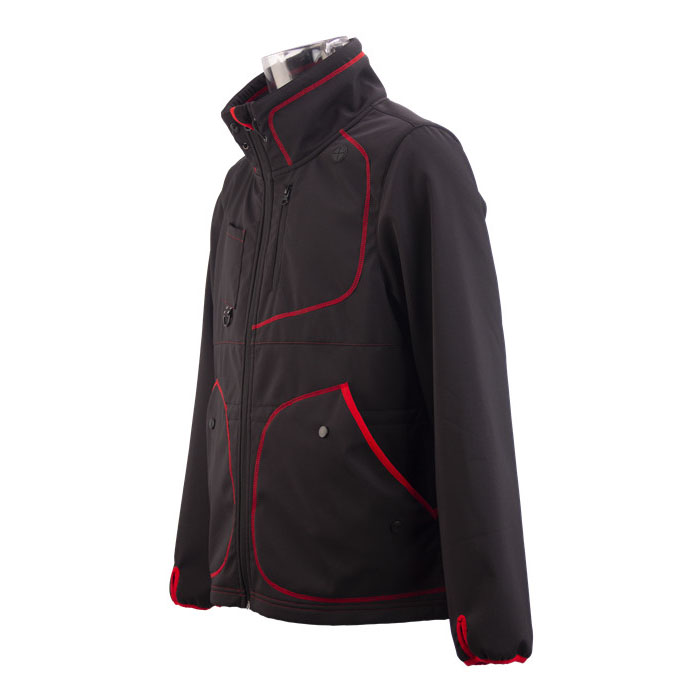
A key example of advanced material integration can be observed in products like the Trainer's Sports Wear Men Soft Shell Jacket, which utilizes a specialized soft shell fabric known for its balance of weather protection, breathability, and stretch. Such fabrics are increasingly adapted for junior athletic wear, ensuring freedom of movement without compromising thermal regulation. Responsible sourcing of materials, including PFC-free DWR treatments and recycled content, is also becoming a critical consideration for ethical and sustainable manufacturing.
Typical Product Specification Table:
Manufacturing Process Flow for Performance Winter Jackets
The production of a high-quality trainer winter jacket for girl suppliers involves a multi-stage process, meticulously managed to ensure optimal performance and consistency. From raw material selection to final quality assurance, each step is critical.
- Material Procurement and Inspection: Sourcing high-grade outer shell fabrics (e.g., woven nylon/polyester with DWR and membrane lamination), synthetic insulation batting, lining fabrics, zippers (YKK, SBS), threads, and hardware. All incoming materials undergo rigorous quality checks conforming to ISO 9001 standards for color consistency, fabric integrity, and chemical safety (e.g., Oeko-Tex Standard 100 certification).
- Pattern Making and Grading: Digital pattern creation using CAD software, followed by grading to ensure accurate sizing across a range (e.g., youth XS to XL). Precision is key for ergonomic fit and material efficiency.
- Fabric Cutting: Automated CNC cutting machines are employed for precision cutting of multiple fabric layers, minimizing waste and ensuring consistency. Fabric panels are often marked for subsequent assembly.
- Insulation Layering and Quilting: The insulation batting is carefully layered and then often quilted to the lining fabric or outer shell to prevent migration and maintain loft. This process requires specialized quilting machines.
- Assembly and Stitching: Skilled operators assemble the various jacket components (front, back, sleeves, hood, collar, pockets) using industrial sewing machines. Critical seams for waterproof jackets are often seam-sealed (taped) using heat-activated tapes to prevent water ingress.
- Feature Integration: Attachment of zippers, snaps, drawcords, cuff adjustments, reflective elements, and branding labels.
- Finishing and Quality Control: Includes trimming excess threads, pressing, and a comprehensive final inspection. This inspection covers garment construction, measurements (AQL standards), material defects, and functional checks (zipper operation, DWR performance).
- Packaging and Logistics: Jackets are folded, packed into polybags (often biodegradable), and then into cartons for shipment. Advanced logistics systems ensure efficient tracking and delivery to target industries such as sports retailers, school uniform suppliers, and youth athletic organizations.

The typical service life for a well-constructed training winter jacket is 3-5 years under regular use, though this can vary based on care and intensity of activity. Adherence to international standards like ISO 13402 (sizing) and ASTM F1292 (impact absorption for protective sports gear, where applicable) further enhances product reliability and safety. The continuous monitoring of energy efficiency in manufacturing processes also highlights advantages like reduced carbon footprint and sustainable practices, crucial for modern B2B partnerships.
Technical Advantages and Application Scenarios
The technical prowess of modern trainer winter jacket for girl suppliers lies in their ability to combine advanced materials with thoughtful design. Key advantages include:
- Superior Thermal Regulation: Utilizing multi-layer construction with highly efficient synthetic insulations ensures warmth without excessive bulk, crucial for active girls.
- Enhanced Weather Protection: High waterproof and windproof ratings, combined with seam sealing and water-resistant zippers, offer robust defense against snow, rain, and cold winds.
- Optimized Breathability: Membranes with high MVTR prevent internal moisture buildup, keeping the wearer dry and comfortable even during strenuous activity, minimizing the risk of post-activity chill.
- Durability and Longevity: Reinforced stress points, robust fabrics, and high-quality components extend the garment's lifespan, offering better ROI for institutions and teams.
- Freedom of Movement: Articulated designs, stretch panels, and lightweight materials ensure unrestricted motion, vital for athletic training.
- Safety Features: Reflective elements for low-light visibility are often integrated, enhancing safety during outdoor activities.
These jackets find application across a spectrum of scenarios:
- Youth Sports Training: Essential for soccer, track & field, skiing, and other outdoor sports practice in cold climates.
- School Uniforms: For schools in colder regions requiring durable, weather-protective outerwear for outdoor recess or sports programs.
- Outdoor Education Programs: Providing critical protection for students participating in hiking, camping, and environmental studies.
- Retail and Brand Collections: For sports and outdoor brands seeking to offer a premium, performance-oriented winter jacket line for girls.
- Pet Apparel Market: Principles of insulation and weather protection also extend to specialized areas like pet apparel puppy down jacket suppliers, indicating a broader expertise in cold-weather textile manufacturing. Many pet apparel puppy down jacket factory and pet apparel puppy down jacket manufacturer operations leverage similar fabric technologies and sewing techniques developed for human apparel.
Vendor Comparison and Customized Solutions
Selecting the right trainer winter jacket for girl supplier requires a thorough evaluation of capabilities beyond just product samples. Key comparison factors include:
- Certifications: Look for ISO 9001 for quality management, Oeko-Tex for textile safety, and potentially bluesign® for sustainable textile production.
- R&D Capabilities: A strong supplier will have an R&D department focused on new material development, ergonomic design, and manufacturing process improvements.
- Production Capacity: Ability to handle order volumes efficiently, from small runs for niche brands to large-scale production for major retailers.
- Lead Times and Flexibility: Responsiveness to market changes and ability to adapt production schedules.
- Commitment to Sustainability: Use of recycled materials, PFC-free DWR, ethical labor practices, and energy-efficient operations.
- After-Sales Support: Warranty, defect resolution, and long-term partnership engagement.

Supplier Comparison Matrix (Illustrative):
Customized solutions are a significant offering for many trainer winter jacket for girl factories. This includes specific color palettes, unique branding placements (embroidery, screen printing, heat transfers), custom sizing charts, specific feature additions (e.g., goggle wipes, media pockets), and material substitutions to meet specific performance or budget requirements. Leading trainer winter jacket for girl manufacturers often provide dedicated design and development teams to collaborate with clients on bespoke collections.
Application Case Studies
Real-world deployments illustrate the impact of high-quality winter jackets for girls.
Case Study 1: Youth Alpine Ski Team
A regional alpine ski team required durable, highly protective winter jackets for their junior athletes. They partnered with a specialized trainer winter jacket for girl manufacturer to develop a custom line. The jackets featured a 20,000mm waterproof rating, 15,000 g/m²/24h breathability, and 150 GSM synthetic insulation. Reinforced shoulder and elbow panels provided extra abrasion resistance for falls, while articulated sleeves and a helmet-compatible hood ensured full range of motion. The supplier integrated the team's logo via heat transfer and custom color blocking. After one full season, coaches reported significantly improved comfort and focus among athletes, with no jacket failures or performance complaints, directly attributing to the superior construction and materials.
Case Study 2: Urban Outdoor Education Initiative
An urban school district launching an outdoor education program for middle school girls needed cost-effective yet high-performing winter jackets. They collaborated with a trainer winter jacket for girl factory known for its balanced approach to quality and value. The solution involved jackets with a 10,000mm waterproof rating, 8,000 g/m²/24h breathability, and 100 GSM recycled polyester insulation. The design prioritized ease of wear, multiple pockets, and reflective piping for safety. The supplier provided comprehensive support in sizing, ensuring a comfortable fit for all students. This enabled the program to operate throughout the colder months, fostering engagement and learning without weather-related disruptions, thanks to reliable outerwear. The overall feedback from students and educators emphasized the jackets' comfort, warmth, and resistance to urban winter conditions.
Frequently Asked Questions (FAQ)
Q1: What is the typical lead time for an order of trainer winter jackets?
A1: Standard lead times for custom or bulk orders generally range from 60 to 120 days, depending on material availability, order complexity, and factory capacity. Rush orders may be accommodated with a premium.
Q2: What kind of warranty do you offer on your winter jackets?
A2: We typically offer a one-year warranty against manufacturing defects in materials and workmanship from the date of purchase. This covers issues like seam failures, zipper malfunctions, or premature fabric degradation under normal use conditions.
Q3: How do you ensure the sustainability of your manufacturing process?
A3: Our facilities adhere to ethical labor standards and we actively pursue eco-friendly practices. This includes sourcing recycled and bluesign® approved fabrics, using PFC-free DWR treatments, minimizing waste, and employing energy-efficient machinery. We are committed to transparency in our supply chain.
Q4: What are your after-sales support options?
A4: We provide comprehensive after-sales support including defect analysis, repair or replacement of warranted products, and technical consultation for product care and maintenance. Our dedicated account managers ensure prompt resolution of any issues and maintain ongoing communication.
Conclusion
The landscape of winter athletic wear for girls is dynamic, requiring B2B partners to engage with suppliers who are not only adept in manufacturing but also innovative in material science and committed to sustainability. A discerning selection of trainer winter jacket for girl suppliers ensures that brands can consistently deliver high-performance, durable, and ethically produced garments, meeting the rigorous demands of young athletes and the expectations of modern consumers. The partnership with a capable trainer winter jacket for girl manufacturer is a strategic investment in product quality, brand reputation, and market competitiveness.
References
- Grand View Research. (2022). Sports Apparel Market Size, Share & Trends Analysis Report.
- Textile Industry Affairs. (2023). Innovations in Sustainable Performance Fabrics.
- ASTM International. (2021). Standards for Textile Materials.
- ISO. (2020). ISO 9001: Quality management systems.
- Oeko-Tex Association. (2022). Standard 100 by Oeko-Tex.
-
Prioritize Pet Safety with a Reflective Dog Harness Vest
NewsFeb.24,2026
-
Essential Safety Gear Reflective Puppy Harness for Nighttime Walks
NewsFeb.11,2026
-
Enhance Dog Safety with Outdoor Clothes Safety Gear Reflective Dog Harnesses
NewsJan.30,2026
-
Pet Apparel Safety Reflective Puppy Harness A Comprehensive Guide To Visibility
NewsJan.27,2026
-
Pet Apparel Safety Reflective Dog Harness for Businesses – Durable & High-Visibility Solutions
NewsJan.05,2026
-
Reflective Puppy Harness for Pet Safety – Durable & Comfortable Design
NewsDec.11,2025
 Afrikaans
 Albanian
 Amharic
 Arabic
 Armenian
 Azerbaijani
 Basque
 Belarusian
 Bengali
 Bosnian
 Bulgarian
 Catalan
 Cebuano
 Corsican
 Croatian
 Czech
Czech
 Danish
 Dutch
Dutch
 Esperanto
 Estonian
 Finnish
 French
 Frisian
 Galician
 Georgian
 German
 Greek
Greek
 Gujarati
 Haitian Creole
 Hausa
Hausa
 Hawaiian
 Hebrew
 Hindi
Hindi
 Miao
Miao
 Hungarian
 Icelandic
 Igbo
Igbo
 Indonesian
 Irish
Irish
 Italian
 Japanese
 Javanese
 Kannada
 Kazakh
 Khmer
Khmer
 Rwandese
 Korean
 Kurdish
 Kyrgyz
 Lao
Lao
 Latin
Latin
 Latvian
 Lithuanian
 Luxembourgish
 Macedonian
 Malgashi
 Malay
Malay
 Malayalam
 Maltese
 Maori
Maori
 Marathi
 Mongolian
 Myanmar
 Nepali
 Norwegian
 Norwegian
 Occitan
 Pashto
 Persian
 Polish
 Portuguese
 Punjabi
 Romanian
 Russian
 Samoan
 Scottish Gaelic
 Serbian
 Sesotho
 Shona
Shona
 Sindhi
 Sinhala
 Slovak
 Slovenian
 Somali
 Spanish
 Sundanese
 Swahili
 Swedish
 Tagalog
 Tajik
Tajik
 Tamil
Tamil
 Tatar
Tatar
 Telugu
 Thai
Thai
 Turkish
 Turkmen
 Ukrainian
 Urdu
Urdu
 Uighur
 Uzbek
Uzbek
 Vietnamese
 Welsh
Welsh
 Bantu
Bantu
 Yiddish
 Yoruba
 Zulu
Zulu
 English