Honestly, things are moving fast these days. Everyone’s talking about lightweight, high-strength materials. Seems like every other engineer is obsessed with carbon fiber now. But you know what? On the ground, it’s still about practicality. It's not just about the specs on the datasheet, it’s about whether it survives a dropped tool box and a week in the rain.
I’ve been seeing a lot of designs trying to cram too much functionality into one unit. People forget that a trainer’s jacket needs to be… well, a jacket. Not a mobile command center. They want integrated pockets for everything - phones, radios, treats, spray bottles, you name it. And that's when things get bulky and uncomfortable. Have you noticed that?
We spend a lot of time talking to trainers, watching them work. It’s amazing how differently they actually use a jacket compared to how designers think they will. For example, the sleeve pockets are always getting snagged on leads. Always.
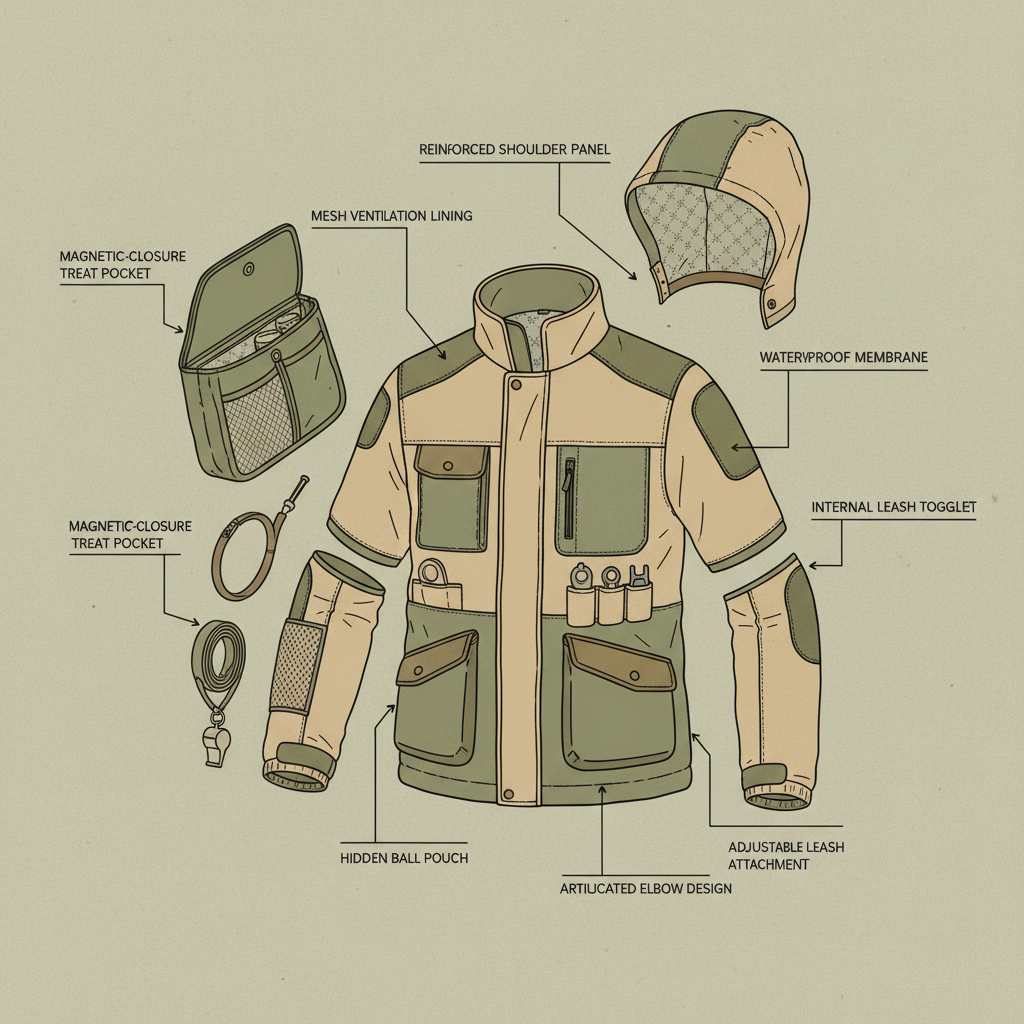
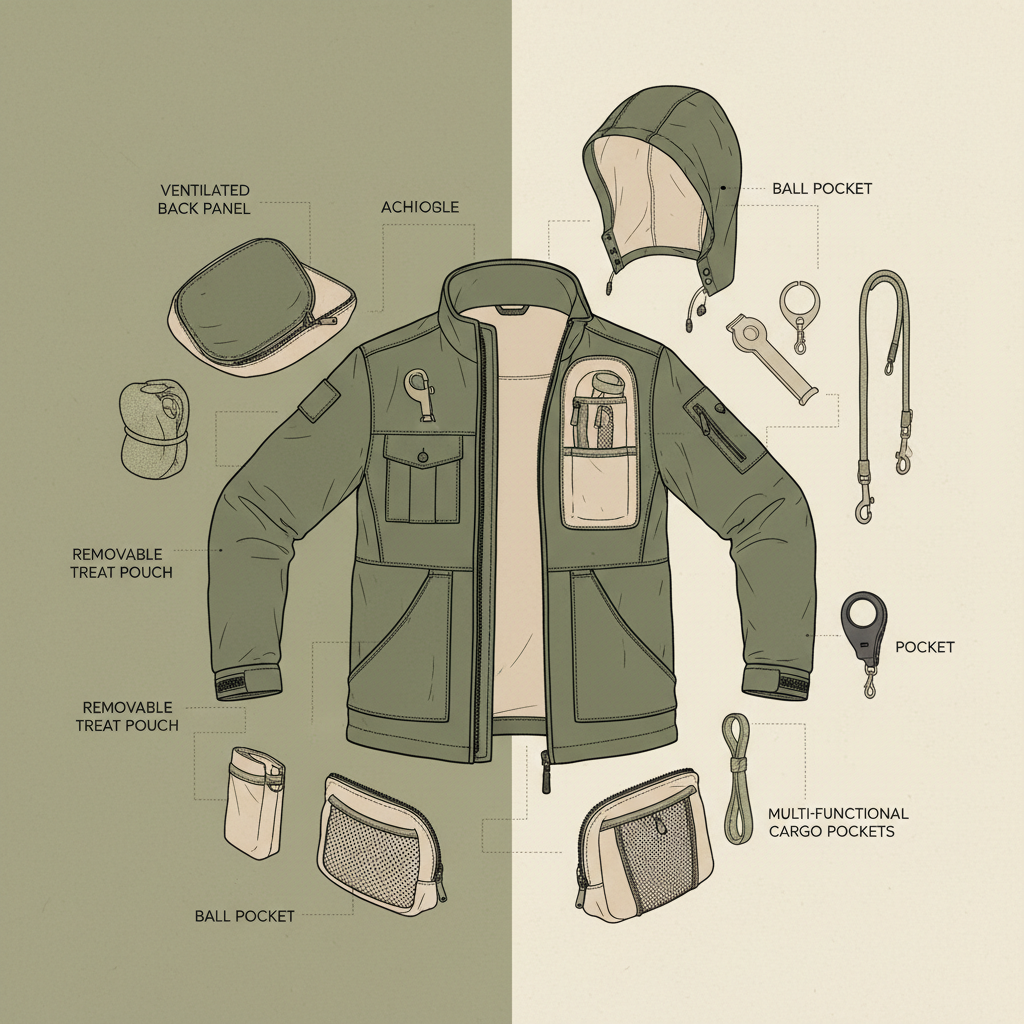
The biggest challenge? Movement. Trainers are constantly bending, reaching, getting down on the ground. A jacket has to move with them, not against them. And it needs to be tough enough to withstand constant abrasion. I encountered this at a factory in Vietnam last time – they were using a really slick-looking nylon, but it tore after just a few days of use. Strangely, the older, heavier-duty materials held up much better.
It’s about striking a balance between durability, comfort, and functionality. Too much padding and you overheat. Too little and you're getting rubbed raw by a harness. It’s a constant tug-of-war.
A dog trainer jacket is specifically designed for the demands of working with dogs. That means more durable materials, strategically placed pockets for treats and training tools, greater freedom of movement for bending and reaching, and often a more rugged, abrasion-resistant build. Regular outdoor jackets prioritize weather protection and comfort for everyday use, while trainer jackets prioritize functionality and durability in a demanding work environment.
Extremely important. Trainers are often active for hours on end, and overheating can be a serious issue, for both the trainer and the dog. Breathable fabrics, like mesh linings and strategically placed ventilation, help to regulate body temperature and prevent excessive sweating. It’s a balance, though – you still need some level of weather protection.
A variety of pockets is key. You need deep, secure pockets for treats, poop bags, and small training tools like clickers. Sleeve pockets are useful for quick access to frequently used items. Some trainers like hidden pockets for valuables. The placement of the pockets is also important - you want them to be easily accessible without interfering with movement.
That depends on how heavily you use it and the quality of the jacket. A well-made jacket from durable materials should last at least a year or two of regular, professional use. More casual users might get several years out of it. Look for reinforced stitching and quality zippers, as those are the most common points of failure.
Absolutely. Some jackets are designed for warm weather, with lightweight, breathable fabrics and minimal insulation. Others are designed for cold weather, with insulated linings and waterproof outer shells. It's important to choose a jacket that’s appropriate for the climate you’ll be working in. Layering is also a good strategy.
Many manufacturers offer customization options, such as embroidery for logos or names. Some will also work with you to modify the pocket configuration or other features to meet your specific needs. Be prepared to pay a premium for customization, and allow for a longer lead time.
So, where does this all leave us? A good dog trainer jacket isn’t just a piece of clothing, it’s a tool. It needs to be durable, comfortable, and functional. It needs to withstand a lot of abuse and provide the trainer with the freedom of movement they need to do their job effectively. Ultimately, it’s about finding the right balance between these factors and choosing a jacket that meets the specific needs of the trainer and the dogs they work with.
And honestly? Whether this thing works or not, the worker will know the moment he tightens the screw. The field will tell you everything you need to know. The gear will either hold up or it won't. That’s the bottom line.

 Afrikaans
 Albanian
 Amharic
 Arabic
 Armenian
 Azerbaijani
 Basque
 Belarusian
 Bengali
 Bosnian
 Bulgarian
 Catalan
 Cebuano
 Corsican
 Croatian
 Czech
Czech
 Danish
 Dutch
Dutch
 Esperanto
 Estonian
 Finnish
 French
 Frisian
 Galician
 Georgian
 German
 Greek
Greek
 Gujarati
 Haitian Creole
 Hausa
Hausa
 Hawaiian
 Hebrew
 Hindi
Hindi
 Miao
Miao
 Hungarian
 Icelandic
 Igbo
Igbo
 Indonesian
 Irish
Irish
 Italian
 Japanese
 Javanese
 Kannada
 Kazakh
 Khmer
Khmer
 Rwandese
 Korean
 Kurdish
 Kyrgyz
 Lao
Lao
 Latin
Latin
 Latvian
 Lithuanian
 Luxembourgish
 Macedonian
 Malgashi
 Malay
Malay
 Malayalam
 Maltese
 Maori
Maori
 Marathi
 Mongolian
 Myanmar
 Nepali
 Norwegian
 Norwegian
 Occitan
 Pashto
 Persian
 Polish
 Portuguese
 Punjabi
 Romanian
 Russian
 Samoan
 Scottish Gaelic
 Serbian
 Sesotho
 Shona
Shona
 Sindhi
 Sinhala
 Slovak
 Slovenian
 Somali
 Spanish
 Sundanese
 Swahili
 Swedish
 Tagalog
 Tajik
Tajik
 Tamil
Tamil
 Tatar
Tatar
 Telugu
 Thai
Thai
 Turkish
 Turkmen
 Ukrainian
 Urdu
Urdu
 Uighur
 Uzbek
Uzbek
 Vietnamese
 Welsh
Welsh
 Bantu
Bantu
 Yiddish
 Yoruba
 Zulu
Zulu
 English